Ground moisture can be a frequent concern in many homes, especially in crawl spaces or basements where water vapor accumulates over time. A vapor barrier serves as a protective membrane, shielding your sub floor from unnecessary dampness. Understanding how to install vapor barrier provides a practical solution that reduces mold spores, preserves insulation, and stabilizes structural elements. By applying the best method and materials, homeowners can reduce the risks of mildew formation and boost overall indoor air quality and comfort.
Many ask, how to install vapor barrier? Place plastic sheets, overlap edges by at least six inches, use tape on seams, then secure perimeters. The correct approach blocks water vapor, reduces mold, and solves moisture issues in crawl spaces. Good fix
Some homeowners explore how to install vapor barrier as a first step toward controlling humidity and safeguarding their home’s structural integrity. A well-placed vapor retarder can limit ground moisture, especially when combined with a sump pump or proper drainage. Each crawl space is unique, requiring an approach that addresses individual concerns like local building codes, interior layout, and existing materials.
Vapor barrier installation is a fundamental process in building construction. It addresses water vapor issues, particularly in crawl space settings. Ground moisture travels upward, increasing the risk of mold, mildew, and compromised wooden subfloor materials. A well-placed vapor barrier, often plastic sheeting or foil-based material, works to separate your living area from excessive humidity.
Vapor barriers also help meet local building codes that mandate safe moisture control methods. By sealing these spaces, occupants are shielded from mold spores and potential structural damage.

Ground moisture can infiltrate your home through the soil, leading to high humidity in the interior. Vapor barrier installation is a proven method to control it. Spread plastic or specialized membrane across the crawl space floor, overlap seams, and secure edges with tape or adhesive. This method minimizes mold spores, lowers mildew concerns, and protects structural elements from weakening.
Mold thrives in damp conditions, especially in the subfloor area beneath your house. Eliminating water vapor with a vapor barrier stops mold from gaining a foothold. A routine inspection helps spot problem areas, such as gaps in the plastic or torn sections near the perimeter. Repairing these promptly curbs mold growth and safeguards indoor air quality.
Choosing the right materials is vital for a successful vapor barrier installation. Contractors often recommend thick plastic sheeting in rolls that are easy to cut with a utility knife. The thickness, measured in mils, can range from 6 to 20. Thicker plastic is more resistant to tears and punctures. Considering the proper installation approach and type of tape for sealing seams can influence the longevity and performance of the barrier.

Plastic sheeting rolls form the backbone of any effective crawl space vapor barrier system. High-quality polyethylene sheeting comes in large dimensions that minimize the number of seams, reducing potential weak spots for moisture infiltration. Contractors favor these rolls because they’re easy to cut to fit any crawl space layout. When selecting rolls, consider the overall coverage needed and make sure to purchase enough material to overlap the sheets for proper sealing around supports, plumbing, and other fixtures.
The thickness of the plastic sheeting, measured in mils (1 mil = 0.001 inches), directly affects its durability and puncture resistance. While 6-mil sheets are more affordable, thicker options—ranging from 10 to 20 mil—offer better protection in crawl spaces prone to rough, uneven flooring or frequent foot traffic. Thicker material generally leads to fewer rips and tears over time, which makes it a worthwhile investment for long-term moisture control.
A reliable utility knife is indispensable for properly installing plastic sheeting in a crawl space. A fresh, sharp blade allows clean, precise cuts around obstacles such as piers, beams, and plumbing lines, helping maintain the sheet’s integrity and preventing jagged edges that could tear. For the safest and most efficient use, always have replacement blades on hand and work carefully in the tight quarters of a crawl space, wearing appropriate protective gear like gloves.
Sealing tape is used to join overlapping sections of plastic and to mend any small tears or punctures, thereby creating a continuous moisture barrier. Tapes specifically designed for polyethylene or butyl-based adhesives are popular choices because they maintain a strong bond even in damp or humid conditions. By sealing every seam and edge thoroughly, you ensure that moisture cannot penetrate, extending the longevity and effectiveness of the vapor barrier system.
Preparing the crawl space is an essential step before laying any vapor barrier. Remove debris, rocks, or sharp objects that might tear the plastic as you roll it out. Inspect the subfloor and insulation for signs of moisture damage or mildew. Address any leaks from pipes or cracks in the foundation to prevent ongoing issues. Clearing the space sets the stage for a smoother installation process and longer-lasting results.

Different areas have regulations regarding vapor barrier thickness, overlap requirements, and sealing techniques. Local building codes may specify that a vapor barrier must extend up the walls to a certain height. Following these guidelines helps avoid future compliance problems. Always verify your city or county’s requirements before starting a project.
Moisture trapped in the crawl space environment should be addressed first. A dehumidifier or ventilation fan can help reduce humidity levels. Any standing water should be removed with a sump pump. Once the space feels drier, roll out the plastic or foil barrier. Overlap seams carefully and secure them so water vapor does not seep through unsealed gaps.
Learning how to install vapor barrier often involves a systematic approach to covering floors and walls. Gathering materials ahead of time helps keep the workflow smooth. Always begin from one corner of the crawl space, rolling out the plastic sheeting as you progress. Overlap each adjoining piece by several inches, then use tape to seal. A clean, methodical process reduces missed spots that could allow ground moisture to rise.

Remove any debris or obstacles that might puncture the plastic, and address issues like standing water or mold. Make sure the ground surface is as level as possible before you begin.
Have all items—plastic sheeting, sealing tape, utility knife, stakes, and adhesive—within reach. Laying them out beforehand keeps the process organized and efficient.
Measure the dimensions of the crawl space, noting obstructions like piers or pipes. Plan how to place the plastic sheeting so seams align in a way that minimizes overlap.
Roll out the plastic sheeting from a corner, smoothing it flat against the ground. This helps establish a systematic path as you move across the crawl space.
Overlap each adjoining piece by several inches and use sealing tape to secure the edges. This creates one continuous barrier that blocks ground moisture.
Extend the plastic a few inches up walls or around piers, fastening with stakes or adhesive for an airtight seal. This prevents shifting and fully encloses the space.
Check for unsealed seams or tears and tape them immediately. Finally, clear away tools and debris, confirming the vapor barrier is intact before closing the crawl space.
Many moisture issues stem from poorly sealed overlaps. The best method involves overlapping sheets by at least six inches, followed by carefully taping along each seam. Avoid lumps or creases in the tape that create channels for water vapor. Working methodically along every join improves the vapor barrier’s effectiveness and extends its lifespan.

Strong polyethylene tape is often recommended for long-term durability. The adhesive should bond well to plastic, even in damp or dusty conditions. Reinforced tape is another option if you anticipate heavier foot traffic or potential shifting of materials. Always press firmly and smooth out air bubbles.
Edges along the crawl space perimeter are where moisture can sneak in. Secure the plastic firmly against foundation walls or piers using adhesives or mechanical fasteners. Overlap corner sections carefully. If the barrier loosens around corners, ground moisture might reach wood joists or insulation, causing damage over time.
Every house has unique challenges, from uneven surfaces to existing insulation or partial barriers. Some spaces have excessive humidity or water infiltration that calls for a sump pump or drainage system. A thorough inspection can guide which additional measures are needed, such as ventilation or a thicker vapor barrier. Adapting the process to each circumstance helps create a safe, dry environment under the floor.
Crawl spaces often contain plumbing or HVAC ducts. Cut the plastic barrier carefully to fit around these features. A snug seal around the base prevents air leakage and moisture buildup. Tape any cut edge to keep the membrane intact and prevent dust or mildew from infiltrating.
If insulation is installed between the joists, check for damage or sagging before laying the vapor barrier. The subfloor should remain dry, which stops mold growth. Replace water-logged insulation and confirm the vapor barrier is tucked around supports to block moisture from reaching the wood.
By controlling moisture, you also reduce the risk of mold growth, which can lead to health issues and compromise the home’s structural integrity. Additional measures like managing humidity through ventilation or a dehumidifier help prolong the barrier’s lifespan, ensuring it remains effective for years to come.
Perform inspections during seasonal changes when shifts in temperature and humidity are likely. Check for condensation on plastic or rotting wood near the perimeter. Addressing small issues early avoids bigger repairs later. A flashlight and moisture meter can provide deeper insight into hidden trouble spots.
Upgrades become necessary if the vapor barrier appears worn or if significant moisture problems persist. Thicker plastic or a different material might be more suitable for high-humidity regions. Modern tapes and sealing products also offer stronger adhesion. Replacing an aging vapor barrier can save money on long-term repairs to the subfloor or structural elements.
Cracks, sagging floors, or persistent mildew often point to deeper foundation issues that go beyond how to install vapor barrier. Consulting foundation experts brings peace of mind when dealing with compromised structural elements. Kalamazoo Foundation Repair Pros offers professional guidance and effective solutions for property owners. Our team checks for underlying damage, recommends targeted improvements, and follows guidelines that address local building codes.

Scheduling a thorough assessment of your crawl space or basement reveals underlying vulnerabilities. A professional inspection can detect hidden moisture pockets, compromised insulation, or cracks that impact the entire house. Expert input narrows down the best repair strategies and helps maintain structural stability.
Mastering how to install vapor barrier provides an effective way to combat ground moisture and humidity in your home. Vapor barriers help preserve structural elements, reduce mold growth, and protect the subfloor from deterioration. For those seeking additional confidence in their foundation’s stability,
Kalamazoo Foundation Repair Pros stands ready to guide every aspect of your home’s needs. A phone call or message might uncover the perfect plan for long-lasting results that keep your indoor environment safe and comfortable. Contact us today!
A crawl space inspection is an essential step in maintaining your home’s foundation and indoor air quality, but many homeowners aren’t sure how much a crawl space inspection costs. Knowing the cost upfront can help you plan for future space repairs and potential structural issues. Crawl space inspections are necessary to address concerns like mold growth, wood rot, excessive moisture, and standing water. It’s also an opportunity to evaluate the overall condition of your crawl space and make any necessary crawl space repairs to prevent further damage.
So, how much does a crawl space inspection cost? The typical cost for a crawl space inspection ranges from $150 to $500, depending on factors like the crawl space size, location, and the complexity of the inspection.
When determining how much a crawl space inspection costs, various factors come into play. The space’s condition, whether there’s existing structural damage or mold growth, and the extent of the inspection will influence the final price. Understanding these factors helps you make an informed decision when scheduling your professional crawl space inspection.
A standard crawl space inspection typically includes a comprehensive review of the crawl space’s condition, identifying potential issues that might affect your home’s structural integrity. Common aspects covered include moisture levels, insulation, ventilation, and visible signs of damage.

One of the first things an inspector will check is the moisture levels in the crawl space. Excess moisture can lead to mold growth, wood rot, and foundation damage, so a moisture assessment is critical. This process can include checking for standing water or humidity levels that may indicate a problem with the space’s drainage system.
Crawl spaces are often poorly insulated and ventilated, which can lead to temperature fluctuations and higher energy bills. Inspectors will look at the insulation and ensure it is up to standard, as well as check the ventilation to ensure air can flow freely, reducing the risk of moisture buildup and mold growth.
The cost of a crawl space inspection depends on several key elements, such as the crawl space size, accessibility, and the extent of the inspection. Being aware of these factors can give you a clearer picture of how much crawl space inspection costs and what’s included.

Larger crawl spaces often require more time and effort to inspect, which increases the cost. A small crawl space may have a lower inspection cost, but if it’s cramped or difficult to access, the inspector may need specialized tools or additional labor. Similarly, when the crawl space is located in a remote area or has a complicated layout, such as a crawl space with wood rot, pest infestation, or foundation cracks, it can add to the total cost.
How much does a crawl space inspection cost in different areas? Your location can affect the price. If you’re in an urban area, costs may be higher due to the demand for inspections, while in more remote locations, travel fees can add to the inspection price. Urban crawl space inspection prices often come with a premium, but travel fees for those in rural areas could make it more expensive.
A basic crawl space inspection generally includes an evaluation of the space’s moisture levels, insulation, ventilation, and visible signs of damage. However, more comprehensive services like mold remediation, crawl space encapsulation, and assessing potential crawl space problems like excessive moisture, standing water, or structural repairs tend to increase the overall inspection cost. Additional tests like moisture damage or fungal growth detection also come with added fees.
Some crawl space inspections include extra services that can provide more detailed insight into the condition of your crawl space. These services can be crucial for identifying issues like mold growth or foundation damage early on.
Mold growth, particularly in areas with excessive moisture, is a common issue in crawl spaces. If mold removal or mold remediation is needed, an inspector will often check for fungal growth. This specialized assessment typically costs $100 or more, depending on the extent of the mold problem. If mold is present in the crawl space, you may need additional services to remove mold and restore the space, which can add to your overall crawl space cleaning costs.
Moisture levels are one of the key factors in a crawl space inspection, particularly if you’re concerned about wood rot, foundation cracks, or standing water. A moisture evaluation to assess the relative humidity or to check for standing water can raise the price by $50 to $200. Some inspections include this service as part of the base inspection, but more detailed moisture testing may be an additional charge.
If your crawl space inspection also involves structural issues like support beam replacement or foundation repairs, it can increase the price. Structural damage such as rotting beams, foundation cracks, or wood rot can significantly raise inspection costs. Depending on the complexity of the assessment and the work needed to maintain structural integrity, you could expect costs to range from $100 to $300 for additional structural inspections.
While you might be wondering if the cost of a crawl space inspection is worth it, the benefits far outweigh the price. A crawl space inspection is a preventative measure that can save you money in the long run by uncovering issues like mold growth, structural damage, or moisture-related problems early.
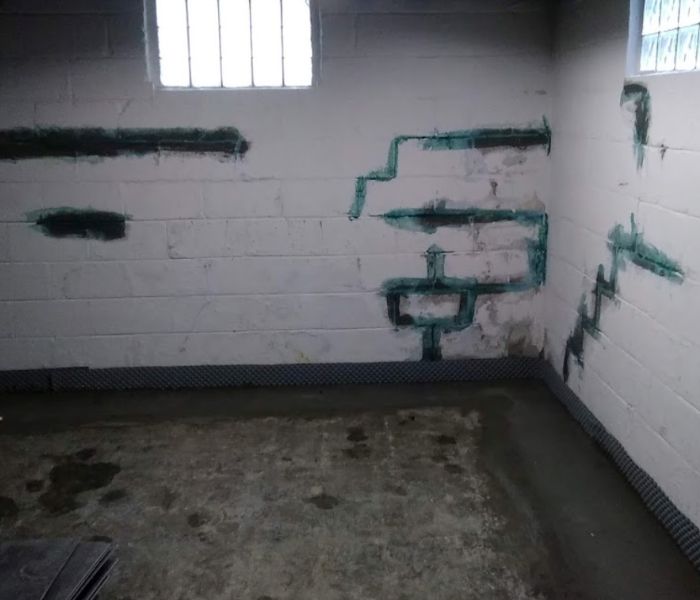
Crawl space problems like mold growth, pest infestation, or wet crawl spaces can lead to costly repairs down the road if not addressed early. Identifying these issues during an inspection can prevent more expensive repairs, such as foundation repair or structural damage restoration. It’s far less expensive to fix a small leak or address mild wood rot than to repair the extensive damage caused by ignoring these issues.
If you plan to sell your home, a clean inspection report from a crawl space inspector can increase its value. Buyers will feel more confident knowing that the crawl space has been thoroughly evaluated and is free of issues like excessive moisture or mold growth. This can make a significant difference in your home’s marketability, particularly if there is concern about foundational issues or mold remediation needs.
At Kalamazoo Foundation Repair Pros, we offer professional and affordable crawl space inspections. We understand how important it is to know how much a crawl space inspection costs and what’s included. Our team of expert crawl space inspectors evaluates all aspects of your crawl space, from moisture levels to structural integrity. Whether you’re concerned about foundation cracks, excessive moisture, or mold growth, we offer free estimates and detailed inspections to ensure your home remains safe.
If your crawl space shows signs of damage, such as wood rot or mold growth, we’re ready to help. Our inspection services provide you with accurate cost data and clear next steps for keeping your crawl space in optimal condition.
A crawl space inspection may seem like an extra expense, but it’s a small price to pay for the peace of mind it offers. Understanding how much a crawl space inspection costs and how it can protect your home’s structural integrity is essential.

By identifying potential issues like standing water, moisture damage, or mold growth early, you’ll avoid expensive repairs in the future. Contact Kalamazoo Foundation Repair Pros today for your professional crawl space inspection and to get your free estimate.
Many homeowners spot small cracks or shifting floors and worry about foundation problems. Misconceptions thrive online, fueling alarm and confusion. myths about foundation repair appear everywhere, from neighborhood chats to social media horror stories. Conflicting statements can trigger panic or lead to hasty fixes. Awareness of genuine information helps preserve property security and alleviate stress. Clarity surrounding foundation issues supports smart decisions and lessens the chance of expensive problems.
Myths about foundation repair cause confusion, but knowing the facts helps homeowners protect structural integrity. Understanding these issues reduces anxiety, prevents costly mistakes, and ensures the right decisions are made.
Extensive discussions about myths about foundation repair often overlook important details. foundation cracks have different causes, from poor drainage to shifting soils. Skilled foundation repair contractors identify subtle problems that sometimes hide behind minor surface flaws. Thorough evaluations also explore drainage concerns, water damage, and overall construction practices. Each factor ties into a foundation repair project, keeping foundation issues under control.
Many homeowners immediately assume that any visible foundation crack indicates serious damage. This fear often stems from horror stories of collapsing walls or costly repairs. While cracks can be alarming, they aren’t always signs of major structural problems.

Foundation cracks in concrete foundations can appear from normal shrinkage or minor settling. Such small cracks rarely threaten structural integrity. Quick visual checks and regular inspections help identify changes in size or shape that might suggest deeper foundation issues.
Monitoring foundation cracks and addressing small concerns quickly stops a minor flaw from widening into significant foundation damage. Early fixes cut down on labor, materials, and overall construction time. Proactive attention preserves long term stability, guiding households away from the stress of large-scale interventions.
There’s a common assumption that new homes are immune to foundation problems. Many believe that modern construction techniques and materials eliminate the risks associated with older homes. However, foundation repair may still be needed, as foundation issues can affect homes of all ages.

Foundation problems happen in homes built on clay soils or in regions with extreme weather events. Even new builds suffer foundation settlement if soil movement occurs or poor drainage leads to excessive moisture beneath the slab foundation. Modern construction practices help reduce risk, yet no property is completely exempt.
Foundation repair contractors advise checkups for properties of any age. Slight tilts in walls and doors that stick could be clues of early foundation settlement. Targeted evaluations identify whether smaller issues are symptoms of deeper structural problems, saving money and protecting the home’s value.
Homeowners often delay addressing foundation issues because they assume every repair will cost a fortune. This myth creates unnecessary fear and can lead to bigger problems when minor issues are ignored.

Serious foundation issues command larger budgets, but minor cracks may only need quick intervention. The biggest factor is how soon a homeowner acts. Putting off small repairs might create bigger jobs involving more labor, resulting in higher costs. A prompt fix is usually more affordable.
A thorough review by an experienced contractor outlines the scope of necessary work. Correct diagnoses reduce repeated structural problems. foundation repair companies with proven expertise use methods tailored to each situation, preventing wasteful guesswork and avoiding additional repairs later.
Some believe that waterproofing fixes every foundation problem, as excessive moisture is a common cause of cracks, settlement, and mold growth. While waterproofing is important, it is not a standalone solution for many structural problems.

Stopping moisture at foundation walls is helpful, yet water is not always the lone culprit. Shifting ground, drought, or clay-based soils can undermine structural integrity. Tactics like patching cracks or sealing walls may overlook underlying conditions that cause continuing settlement.
Many homeowners discover a blend of waterproofing, drainage adjustments, and targeted foundation repair delivers the best outcome. Solutions differ depending on the home’s layout, soil composition, and climate. That balanced approach stabilizes the house and supports its resale value without ignoring hidden risks.
Not all foundation repair contractors are created equal, yet many homeowners believe any contractor can deliver the same quality of service. This myth can lead to poor results and wasted money.
Shifts can happen due to soil movement, water damage, or substandard construction. Each job demands a unique strategy. Mudjacking, pier installation, epoxy injections, or other techniques address foundation issues in different ways. Local climate and soil type further shape the repair process.
Foundation repair companies with seasoned crews conduct thorough assessments and select methods that match the home’s specific needs. Expertise in identifying root causes leads to targeted fixes. Customized work discourages recurring foundation problems and maintains the structure’s stability.
The idea that foundation settlement requires total replacement creates unnecessary fear. This assumption often prevents homeowners from seeking professional advice.

Foundation settlement often stems from soil compaction or poor drainage. Slab foundation sections can be stabilized through piers, helical supports, or mudjacking. Comprehensive demolition is less common than people assume, making partial solutions a more practical path for many homeowners.
Small signs of foundation damage don’t always signify the entire house is in jeopardy. Specialists diagnose problematic spots to determine whether underpinning or injections are sufficient. myths about foundation repair sometimes paint dramatic worst-case scenarios, but in reality, targeted approaches often deliver reliable, cost-conscious results.
It’s easy to ignore minor foundation cracks or slight shifts in a home’s structure, but even small issues can escalate into major problems if left unattended.

Hairline breaks expand over time, sometimes allowing water intrusion or shifting soils that destabilize walls. Repair that addresses the root cause is key. Prompt action protects the structure and prevents extra spending. Overlooking a small concern allows a slow deterioration that worsens.
Proactive repairs maintain a safe living environment. Clay soils around the house can swell or contract, forcing cracks to widen. Steady maintenance and proper drainage keep the foundation stronger, reducing the potential for major work later.
Some homeowners skip consulting foundation repair contractors, assuming they can assess the problem themselves or rely on quick fixes.

Skipping a professional assessment often means missing hidden structural problems. Experts gauge soil movement, check for water damage, and propose cost-efficient fixes. foundation issues caught early generally require fewer resources, preventing unnecessary stress. Proper analysis lays the groundwork for informed decisions.
Kalamazoo Foundation Repair Pros investigates root causes and addresses concerns directly. Their insight eliminates guesswork, whether the house has small cracks or significant structural problems. Many homeowners find peace of mind by collaborating with skilled local professionals who understand the region’s climate and soil conditions.
Myths about foundation repair can derail smart decisions. Fact-based knowledge transforms uncertainty into a clear plan that prevents structural headaches. Early detection and customized solutions help protect the house, whether it’s brand new or has been standing for decades.
Contacting and Partnering with Kalamazoo Foundation Repair Pros takes the mystery out of cracks and settlement, guiding owners toward fixes that fit their budget and unique property conditions. Well-informed action preserves stability, protects your investment, and ensures peace of mind for years to come.
If you’ve ever wondered why Michigan homes are prone to foundation problems, you’re not alone. Many Michigan homeowners struggle with issues like cracks in basement walls, water damage, and shifting floors. The challenges stem from a combination of weather, soil conditions, and construction factors unique to the region. These problems don’t just affect the basement but can lead to structural issues throughout the entire house.
So, why are Michigan homes prone to foundation problems? The state’s clay soil expands and contracts, sandy soil erodes easily, and the harsh freeze-thaw cycles of Michigan winters wreak havoc on concrete walls and crawl spaces.
Dealing with these problems isn’t just about maintaining your home—it’s about protecting your living space, saving money, and ensuring the safety of your family. Let’s dive into the factors behind these issues and what you can do to protect your home’s foundation.
Michigan’s unique soil conditions set the stage for many foundation problems. Clay soil, which is common in the state, can cause major shifts as it swells with moisture and shrinks when it dries. This movement in the ground beneath your home can lead to cracks in concrete walls, creating openings for water damage and mold growth.
In addition, areas with sandy soil are at risk for erosion. Over time, heavy rainfall and flooding wash away the ground, leaving the foundation unstable. These soil challenges affect everything from the stability of your crawl spaces to the security of your entire house.
Clay soil may look harmless, but its ability to expand and contract puts intense pressure on your home’s foundation. This soil type creates small cracks that, if ignored, lead to structural issues over time.
Sandy soil doesn’t have the same swelling problem as clay, but its tendency to erode makes it a hidden risk. Foundations sit on unstable ground and can eventually shift, damaging the structure.
Michigan’s weather is a big contributor to foundation problems. The state is no stranger to harsh winters, where the ground freezes and thaws repeatedly. This cycle, called frost heave, can push basement walls outward or even crack concrete walls entirely.
The seasonal changes don’t stop there. Heavy rainfall during the summer saturates the soil, increasing hydrostatic pressure. When water isn’t properly directed away from the house, it seeps into basement walls and crawl spaces, leading to moisture problems and mildew growth. A foundation inspection is essential to catch these issues early and prevent further damage.
When the ground freezes, it expands, placing pressure on your foundation. As it thaws, the ground contracts, creating movement that compromises the structure.
Excess water saturates the soil, creating hydrostatic pressure that pushes moisture into your foundation. Poor drainage makes this worse, causing water damage and mold in living spaces.
The age of your home plays a big role in how well its foundation holds up. Older homes in Michigan were often built with materials and techniques that, while durable at the time, weren’t originally intended to handle today’s unique challenges.
On the flip side, newer homes benefit from innovations in construction. Builders now focus on reinforcing concrete walls, installing proper drainage, and adhering to local building codes designed to address Michigan’s specific foundation risks.

Many older homes have foundations that weren’t built to withstand Michigan’s freeze-thaw cycles or heavy rain. These homes often require retrofits to remain secure.
Advancements in construction include reinforced concrete, sump pumps, and other features that provide added protection. Updating your home with these solutions can lead to cost savings in the long run.
Landscaping can either protect or damage your home’s foundation. Poorly graded landscaping directs water toward the foundation, increasing the risk of hydrostatic pressure and water damage. Trees planted too close to the house can also cause problems. Their roots grow into the soil beneath your foundation, displacing ground and creating structural issues.

Large trees near your home may look beautiful, but their roots can cause cracks in basement walls and even lift the structure slightly.
Without proper grading, water pools near the foundation instead of draining away, leading to long-term water damage.
Living near Michigan’s Great Lakes offers stunning views but also unique challenges for your home’s foundation. High water tables in lakefront areas increase the likelihood of water wells and flooding, which can damage the structure.
Additionally, shoreline erosion is a common issue. Over time, the soil near your home may wash away, leaving the foundation unsupported and prone to cracking.

Homes near lakes face constant moisture exposure, which puts basement walls and crawl spaces at risk.
As the soil erodes, it leaves the foundation vulnerable, especially in older homes that may lack modern reinforcements.
Foundation problems don’t happen overnight. Look for early warning signs, such as cracks in walls and floors or doors that no longer sit properly. These small cracks may seem minor, but they’re often the first indication of structural issues.
Even hairline cracks can grow over time, leading to bigger problems like water damage and mold growth.
When the foundation shifts, it throws doors and windows out of alignment. This is a clear sign of trouble below ground level.
Taking proactive steps can save Michigan homeowners money and stress in the long run. Regular inspections of your basement walls, crawl spaces, and landscaping can catch small problems before they escalate.
Inspect your foundation annually to catch small cracks and ensure proper grading.
Fixing small cracks and moisture problems early prevents costly repairs and protects your home’s structural integrity.
When it comes to your home’s foundation, professional help is crucial. Experts have the tools and knowledge to address issues like soil conditions, hydrostatic pressure, and structural damage.
Foundation repairs are complex and require specialized solutions to ensure your home remains safe.
Kalamazoo Foundation Repair Pros offer inspections, repairs, and preventative solutions tailored to Michigan homes. Our expertise helps protect your home for the long term.
Your foundation is the backbone of your house. By addressing issues early and working with us at Kalamazoo Foundation Repair Pros, you can protect your home’s safety, living space, and value. Whether it’s fixing small cracks or reinforcing basement walls, proactive care ensures your Michigan home stands strong against the elements. Schedule an inspection today to keep your house secure.
Your home’s foundation is the backbone of its structural integrity. Even seemingly minor signs, such as cracked walls or sloping floors, can indicate deeper foundation problems. Addressing these issues early can prevent costly repairs and protect your home’s value. From hairline cracks in walls to sticking doors, recognizing early warning signs allows you to take quick action before the damage becomes severe.
What are common signs of foundation issues? Signs include horizontal cracks, uneven floors, sticking doors, and gaps around window frames. Diagonal cracks, foundation settlement, and basement moisture also signal trouble.
Whether your home has a crawl space or slab foundation, foundation problems manifest in various ways. Foundation cracks, gaps in window or door frames, and uneven floors are warning signs of a compromised foundation. Excess moisture, poor drainage, and soil shifting are common culprits behind foundation damage. Regular foundation inspections by professionals can help catch these problems early, ensuring the safety and stability of your home.
Cracked walls and ceilings are often the first signs of foundation issues. These cracks might appear small but can grow into major structural problems if left untreated.
A professional foundation inspection can help determine if foundation settling, hydrostatic pressure, or poor drainage is causing these cracks.

Horizontal cracks on basement walls typically result from hydrostatic pressure caused by poor water drainage. These cracks compromise your foundation’s structural integrity and must be addressed immediately.
Vertical cracks often indicate natural foundation settling. While minor cracks are common, larger ones can signal serious foundation problems and should be inspected by a qualified repair specialist.
Stair-step cracks in brick or masonry walls point to uneven foundation settlement. These diagonal cracks are often caused by shifting soil or foundation movement, which may lead to serious structural issues.
Sloping or uneven floors are unmistakable signs of foundation trouble. These floors can result from foundation sinking, upheaval, or shifting soil. A foundation inspection can help identify the root cause and ensure your home’s structural integrity is preserved.
Use a level or marble to check for uneven flooring. Pay attention to floor cracks, tiles pulling apart, or doors that swing open on their own—these are telltale signs of an uneven foundation.
Common causes of sloping floors include foundation settlement, poor water drainage, and contracting soil. These issues often lead to more extensive damage, such as bowed walls or cracked tiles.
Sticking doors and misaligned windows are classic signs of foundation issues. They often result from foundation shifts or settling, which cause frames to warp and misalign.

Visible gaps around window and door frames are clear signs of foundation trouble. These gaps often result from shifting soil or foundation settling.
Excessive moisture or water pooling near your foundation is one of the most common signs of foundation issues. Poor drainage systems exacerbate this problem, creating hydrostatic pressure that leads to foundation cracks.
Improper drainage allows water to accumulate around your foundation, causing slab foundation problems and foundation settling.
Look for mold growth, exterior wall cracks, or excessive moisture near crawl spaces and basement walls. These signs indicate poor drainage and require immediate attention.
Crumbling or flaking concrete, known as spalling, weakens your foundation over time. This visible sign of damage often results from moisture infiltration.

Spalling concrete slabs indicate water damage or improper foundation waterproofing. Small cracks in the surface can expand into more serious structural issues.
Crumbling concrete often leads to major cracks and compromised structural integrity. Ignoring these signs of foundation damage can result in costly repairs.
Excess moisture or persistent dampness in the basement points to foundation cracks or inadequate waterproofing. Foundation issues here can quickly escalate into serious structural problems.
Walls that bow, buckle, or develop gaps are unmistakable warning signs of foundation trouble. These signs demand immediate attention to protect your home’s structural integrity.

Foundation inspections are crucial for identifying problems early and preventing costly repairs. They can detect small cracks, uneven floors, or foundation settling before they worsen.
A professional foundation inspection can spot warning signs like cracked tiles, loose hinges, or shifting soil. Taking action early prevents more serious issues.
Foundation issues don’t resolve themselves. Recognizing warning signs like cracked walls, sticking doors, or sloping floors helps you address problems before they worsen. Don’t wait for foundation damage to escalate—seek professional help to protect your home’s structural integrity and avoid costly repairs.
Kalamazoo Foundation Repair Pros specializes in identifying and resolving foundation issues. Our expert team can address everything from foundation cracks to uneven floors, ensuring your home stays safe and secure.
